 EN
EN  RO
RO  FR
FR 
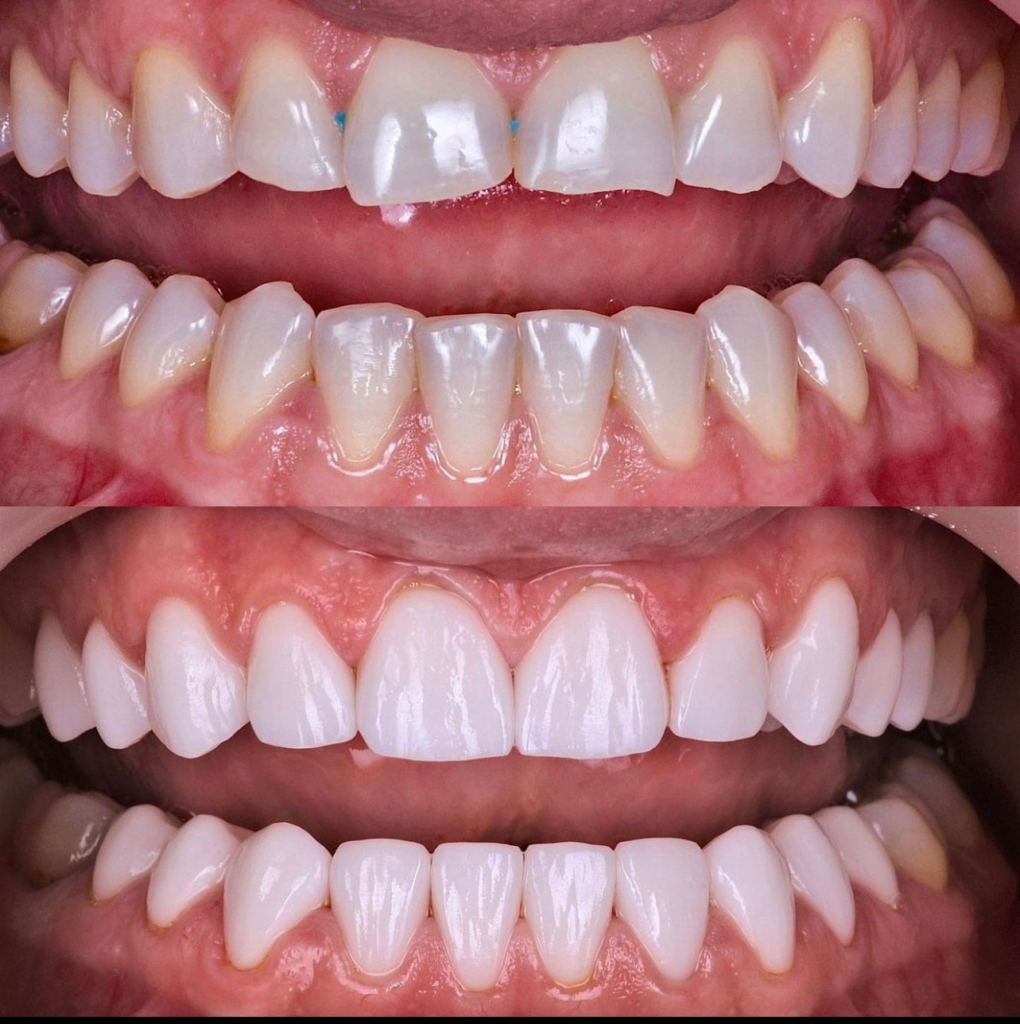
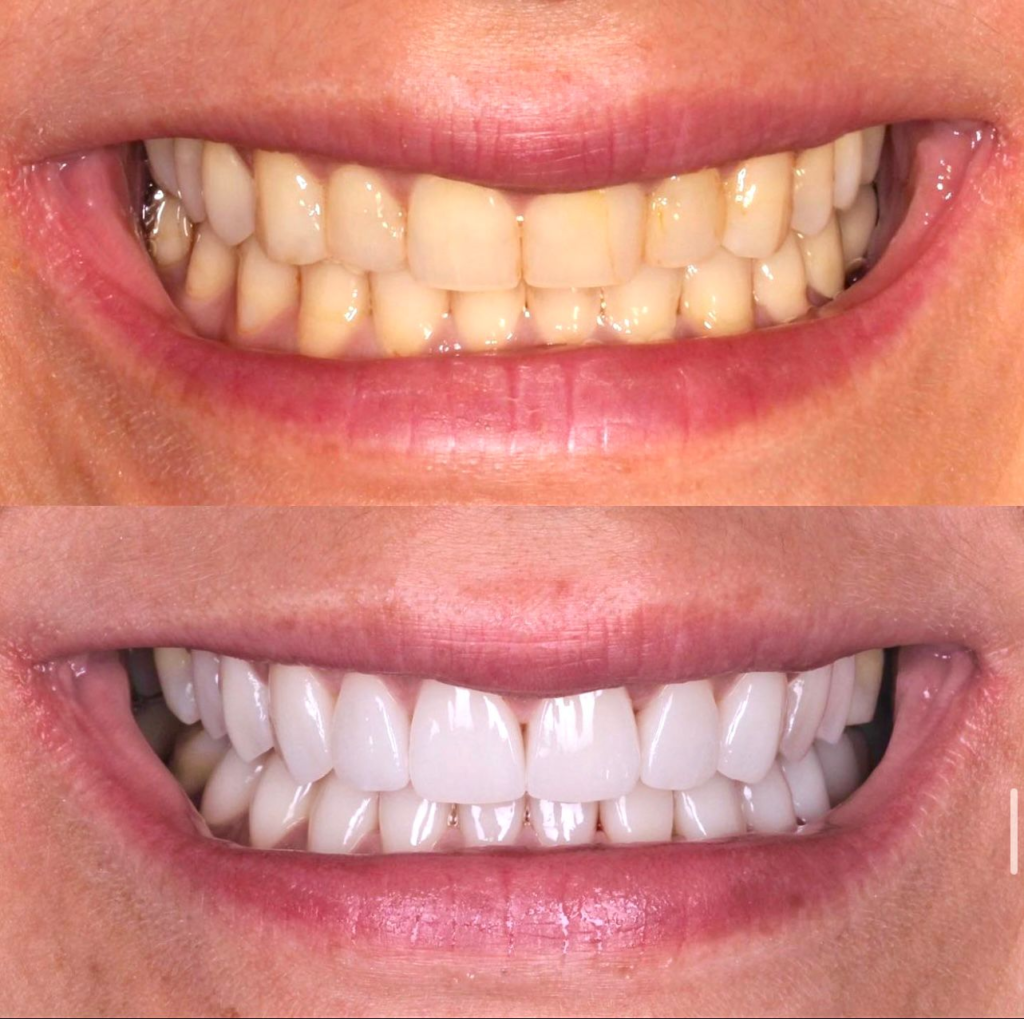
A smile is often the first thing people notice. In modern dental aesthetics, the facets is the „gold standard” solution for correcting imperfections in the shape, color, or alignment of your teeth. If you’re thinking about taking this step, it’s natural to have questions about the process, how long it takes, and what happens after you leave the dentist’s office.
This guide will walk you through the entire process, from your first handshake at the office to the moment you look at yourself in the mirror with confidence.
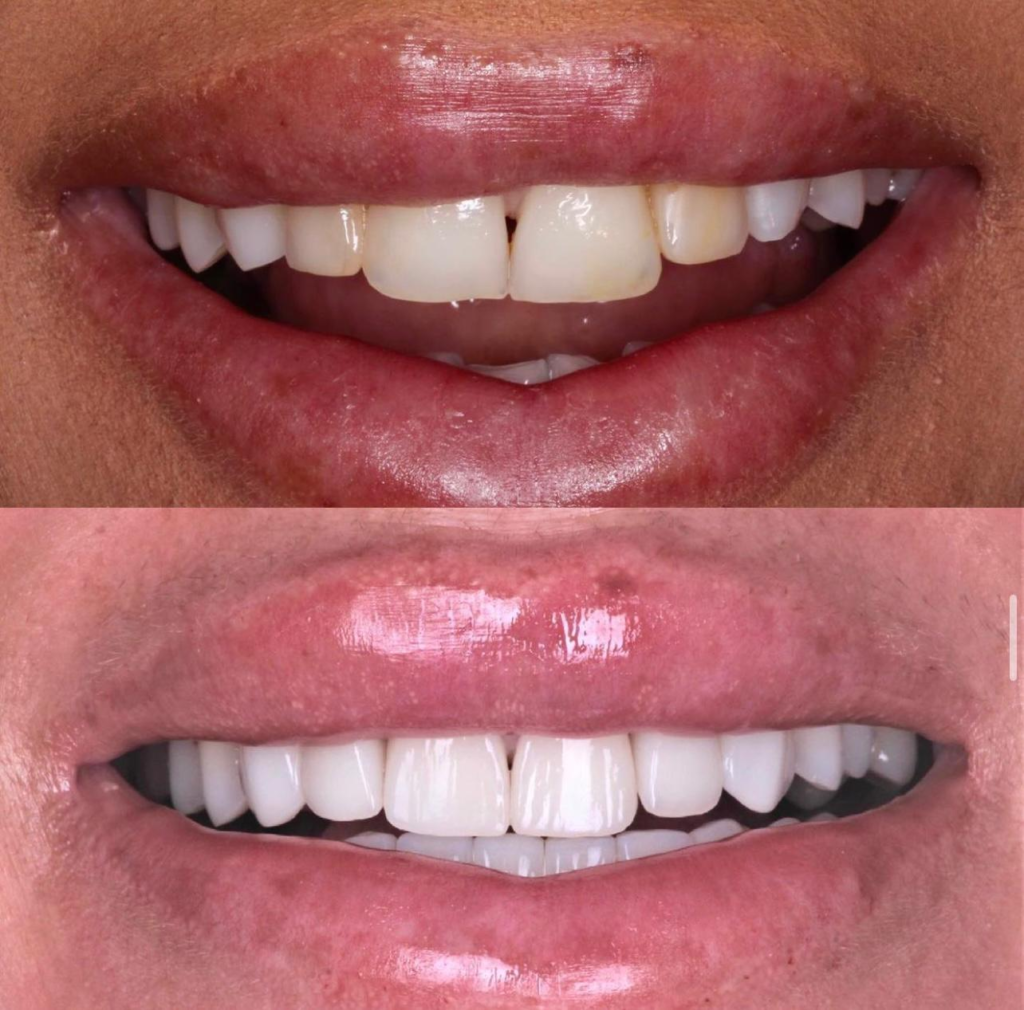
1. Step One: Consultation and Treatment Plan
Not every smile is treated the same way. The first step in Dr. Nicolau is dedicated to listening to your needs and assessing your dental health.
- Clinical evaluation: We check for cavities or gum problems that need to be treated beforehand.
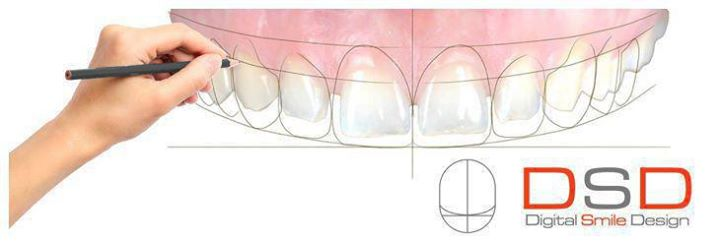
- Digital Smile Design: We use technology to design your future smile. You'll be able to see a simulation of the final result before the actual procedure begins.
- Choosing the material: We'll discuss the differences between E-max ceramic veneers (the most aesthetic and durable) and composite veneers.
2. Tooth Preparation: Minimal Grinding or „No-Prep”?
Many patients are afraid of tooth grinding. The reality is that modern techniques are extremely conservative.
- Minimally invasive grinding: A very thin layer of enamel (approximately 0.3–0.5 mm) is removed to make room for the veneer.
- No-Prep Veneers: In some cases, veneers can be applied directly to the tooth without any prior grinding.
- Fingerprinting: We take a digital or traditional impression, with microscopic precision, and send it to the dental lab.
3. Interim Phase: Temporary Veneers
Until your permanent veneers are ready (usually 7–10 days), you won't leave the clinic with your teeth visibly polished. We apply temporary veneers that serve two purposes:
- Protection: Protects dentin from sensitivity to hot and cold.
- Test drive: It helps you get used to the new format and provide us with feedback on the final version.
4. Final Setting: The Moment of Transformation
This is the stage where the vision becomes reality. The final fitting checks for marginal fit, color, and occlusion (bite). If everything is perfect, the veneers are bonded using an extremely strong adhesive cementation process, which fuses the veneer and the tooth into a single unit.
5. Recovery Period: What to Expect?
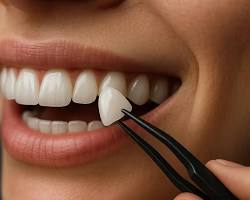
The good news is that There is no invasive recovery period. You can resume your normal activities right away, but there is an adjustment period:
- Transient sensitivity: It's normal to feel a slight sensitivity to extreme temperatures during the first 3–5 days.
- Muscle adaptation: The lips and tongue „learn” the new dimensions of the teeth. Speech may sound slightly different at first, but the brain adapts quickly.
- Gums: There may be slight irritation or redness for 24–48 hours after cementation, which resolves on its own with thorough oral hygiene.
6. Long-Term Maintenance
Veneers don't cause cavities, but the tooth underneath and the surrounding gum tissue still need care.
- Hygiene: Brush your teeth twice a day and use a mouthwash.
- Protection: If you suffer from bruxism (teeth grinding), we will recommend a night guard.
- Control: Regular visits for professional cleaning and inspection.
Frequently Asked Questions
Thanks to modern adhesive technologies as of 2026, ceramic dental veneers (E-max or feldspar-based) have a lifespan of 10 to 15 years—or even longer—if properly cared for. They do not discolor over time and are extremely resistant to coffee and tobacco stains.
Currently, at Dr. Nicolau’s clinic, we use „No-Prep” or „Minimal-Prep” techniques. This means that grinding is either nonexistent or limited to a superficial preparation of the enamel, in the range of 0.2–0.3 mm, preserving the integrity of the natural tooth.
No, applying veneers is a minimally invasive procedure. In the case of no-prep veneers, anesthesia isn’t even necessary. For cases requiring minimal preparation, local anesthesia is used so that the patient feels no discomfort.
The veneer itself, being made of ceramic, does not decay. However, the tooth beneath the veneer remains alive and must be protected through rigorous oral hygiene. Proper brushing and the use of a water flosser are essential to prevent the buildup of bacterial plaque at the junction between the veneer and the gum.
Ceramic (porcelain) veneers are superior in terms of aesthetics, translucency, and stain resistance, as they are fabricated in a laboratory using CAD/CAM technology. Composite veneers are more affordable and can be completed in a single visit, but they require more frequent maintenance because they can stain or lose their luster over time.