
 EN
EN  RO
RO  FR
FR 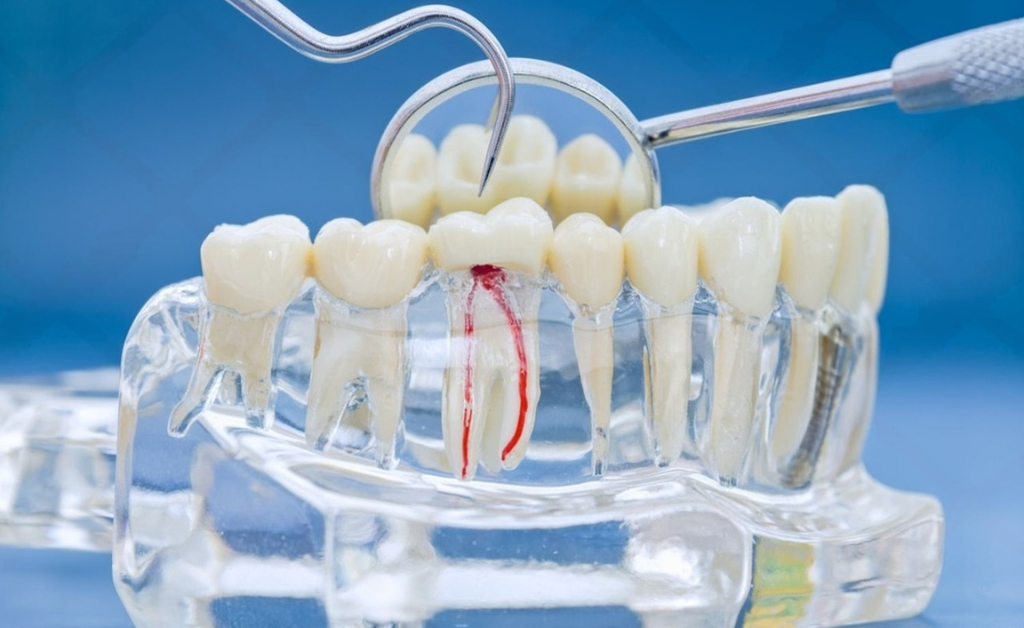
30x magnification: how we see the invisible details that make the difference between saving a tooth and extracting it
The success of endodontic treatment depends entirely on the identification and disinfection of all root canals, which are extremely fine structures that can be as thin as a strand of hair. The optical microscope provides powerful illumination of the tooth’s interior and offers a magnified image of up to 30 times, allowing the endodontist to see details that are impossible to detect with the naked eye.
This visual clarity makes it easier to locate calcified, curved, or extra canals, thereby preventing the risk of leaving bacteria behind or perforating the root wall. The technology also resolves issues arising from previous incorrect treatments or removes broken needles inside the canal. Thanks to optical magnification, the procedure becomes a highly precise surgical intervention, completely eliminating „blind” work.
Say Goodbye to Recurrent Infections: Pain-Free Ultrasonic Sterilization and 3D Sealing
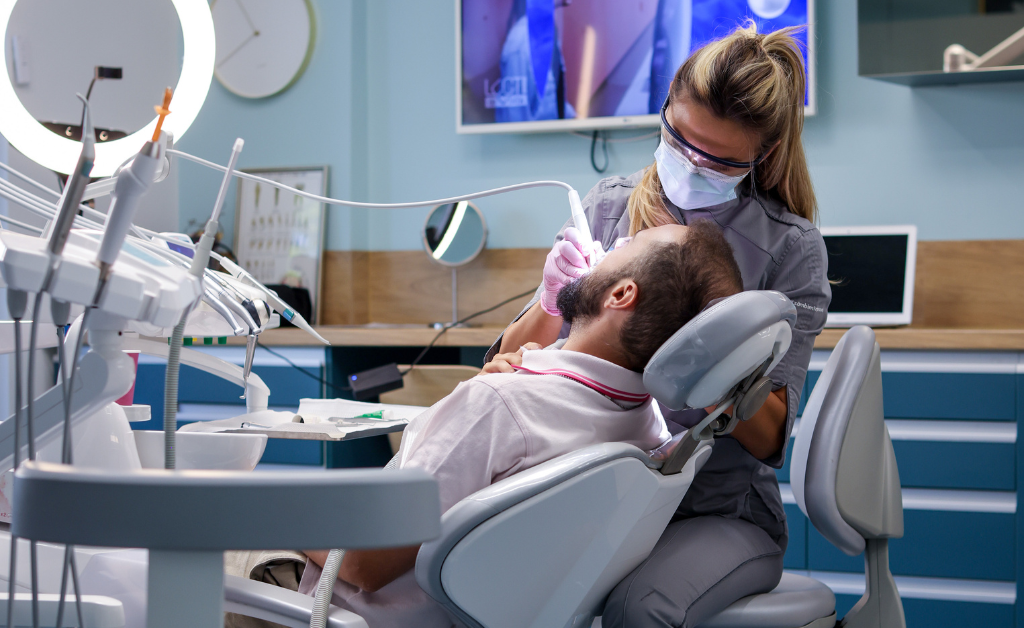
After thorough cleaning of the endodontic space, the crucial step involves sterilizing and sealing the canals in three dimensions to prevent bacterial recontamination. The use of ultrasonically activated antiseptic solutions ensures the destruction of microorganisms even in the finest lateral branches.
The canals are then hermetically sealed with advanced biocompatible materials, such as fluid gutta-percha, which conforms to the tooth’s unique anatomy. This 3D seal blocks bacterial access and allows for the natural healing of the bone tissue surrounding the root, eliminating the risk of granulomas or cysts. The entire procedure is performed under modern local anesthesia, ensuring total comfort and a pain-free experience for the patient.
The final step to a strong smile: a protective shield for the tooth
A root-canaled tooth loses its natural moisture and becomes more brittle over time. The final stage of treatment at Dr. Nicolau’s office focuses on structurally strengthening the tooth, with the dentist choosing the best solution based on the extent of enamel damage:
- Fibreglass posts: It is used when the remaining structure is weakened, and its purpose is to absorb and evenly distribute masticatory forces without risking root fracture.
- Inlay / Onlay (ceramic inlays): They replace traditional large-sized fillings, offering a flawless marginal fit and superior wear resistance.
- High-precision dental crowns: They completely cover the tooth when there is extensive crown destruction, restoring its appearance and function to be identical to those of a natural tooth.
- A cost-effective long-term investment: Saving a tooth through prosthetic reconstruction is more affordable and less invasive than extraction followed by the placement of a dental implant.
Frequently Asked Questions About Microscope-Assisted Root Canal Treatment
Thanks to the effectiveness of the microscope and modern rotary instruments, most treatments are completed in a single session or a maximum of two sessions (each lasting approximately 60–90 minutes), depending on the anatomical complexity of the tooth and the presence of an active infection.
No. The procedure is performed under deep local anesthesia, so you won’t feel any pain during the procedure. Once the anesthesia wears off, you may experience slight sensitivity to pressure for 24–48 hours, which can be easily relieved with common anti-inflammatory medications.
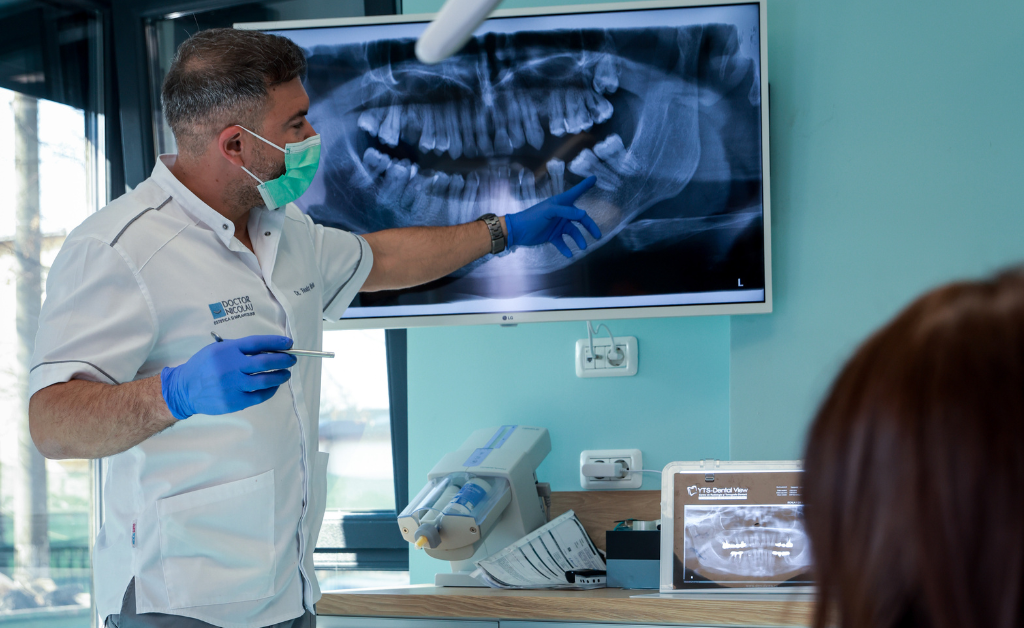
Conventional treatment relies on the dentist’s sense of touch and 2D X-rays. The microscope provides direct visibility and bright light inside the root canal, allowing for the identification of very thin or hidden canals that would otherwise have been missed, leading to subsequent infections.
An infection of the nerve does not go away on its own. If left untreated, it spreads to the bone surrounding the root, causing painful abscesses, bone resorption, and, ultimately, tooth loss. In addition, bacteria can enter the bloodstream, affecting overall health.
A tooth that has been properly treated with endodontic therapy under a microscope and subsequently restored with a crown or a ceramic inlay can last in the dental arch just as long as a healthy natural tooth—that is, a lifetime— provided it is cared for through proper oral hygiene and regular checkups.


