
 EN
 RO
 FR

Bleeding gums are a common but often overlooked symptom. Many patients believe that a drop of blood that appears while brushing or after flossing is a minor issue caused by brushing too hard. In reality, healthy gums do not bleed, and this warning sign should not be overlooked.
At Dr. Nicolau’s Dental Clinic, we frequently see patients who have put off seeing a dentist until their symptoms became bothersome. In this article, we explain what causes bleeding gums and how you can prevent them from progressing to periodontitis.
Why Do Gums Bleed? The Main Causes
Bleeding is the body's inflammatory response to the buildup of bacterial plaque and tartar on the surface of the teeth and below the gum line.
Among the most common triggers are:
- Gingivitis: The initial and reversible form of gingival inflammation.
- Poor oral hygiene: Improper or insufficient brushing allows bacteria to build up.
- Tartar deposits: Mineralized dental plaque that can no longer be removed with a regular toothbrush.
- Hormonal changes: Periods such as pregnancy, puberty, or menopause can increase gum sensitivity.
- Other risk factors: Smoking, diabetes, stress, or a deficiency in certain vitamins (C and K).
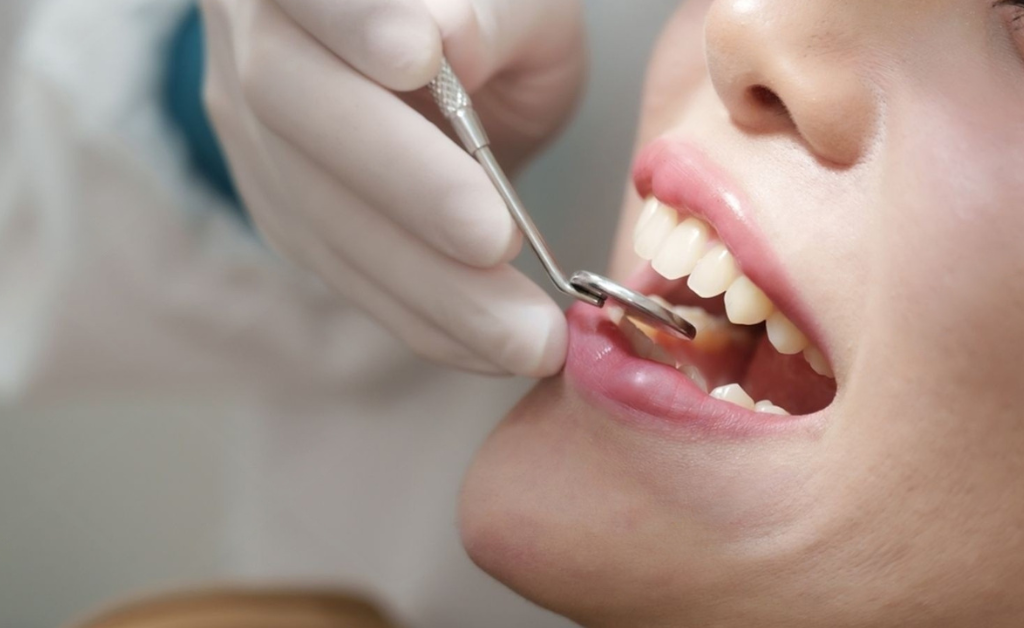
How does gingivitis progress to periodontitis?
The main difference between gingivitis and periodontitis lies in the depth of the affected tissues.
Gingivitis This is the first stage of the condition. The inflammation is limited to the soft tissue (gums). At this stage, the gums are red, swollen, and bleed easily. If treated promptly with professional cleaning and improved oral hygiene at home, gingivitis is completely reversible.
If left untreated, gingivitis progresses to periodontitis (periodontal disease). At this stage, the inflammation spreads to the tissues that support the tooth (the alveolar bone and the periodontal ligament).
Signs that gingivitis has progressed to periodontitis:
- Spontaneous bleeding or bleeding upon brushing
- Gingival recession (teeth appear longer)
- Persistent bad breath
- The formation of periodontal pockets (spaces between the gums and the teeth)
- Tooth mobility (teeth begin to shift)
How is gum bleeding treated at Dr. Nicolau's Clinic?
Treatment depends directly on the stage of the periodontal disease.
- Ultrasonic scaling and professional dental cleaning: It removes plaque and tartar from the teeth and the subgingival area. It is the first essential step in eliminating the cause of inflammation.
- Airflow and professional brushing: Removes stains and fine deposits, leaving surfaces smooth to delay the re-accumulation of plaque.
- Periodontal therapy (subgingival curettage): In cases where the disease has progressed, it is necessary to thoroughly clean and disinfect the periodontal pockets, sometimes with the aid of modern therapies such as dental laser treatment.
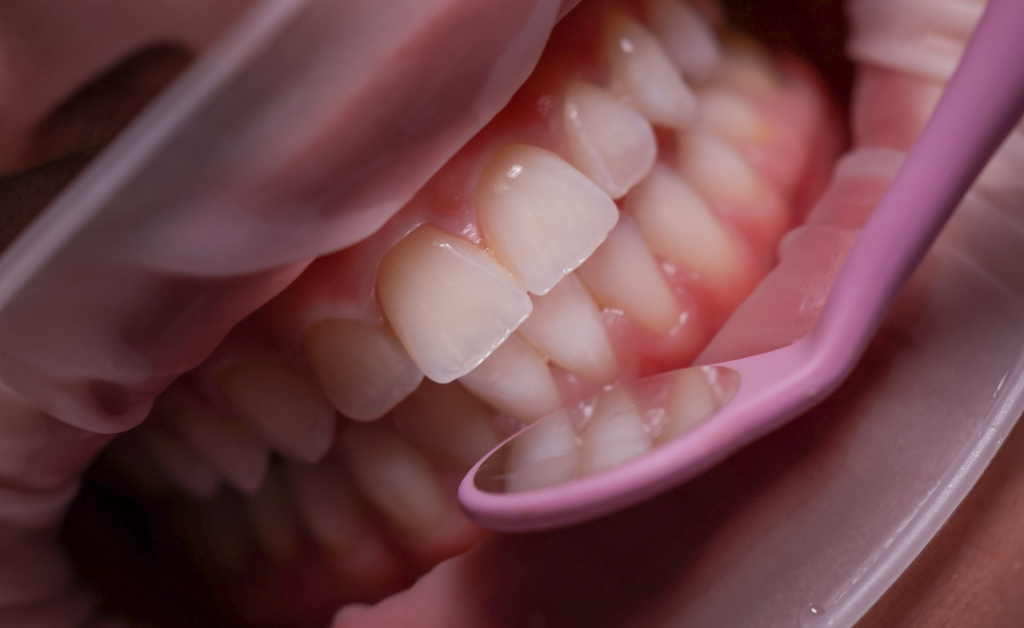
Frequently Asked Questions About Bleeding Gums
No. Stopping brushing will lead to an even greater buildup of bacterial plaque, which will worsen the inflammation. Continue to brush your teeth using a soft-bristled toothbrush and schedule a dental appointment.
Periodontal disease is a chronic condition. Lost bone does not regenerate on its own, but the progression of the disease can be halted. With specialized treatment and regular checkups, teeth can be saved and kept stable in the dental arch.
For most patients, professional cleaning is recommended once every 6 months. For people prone to gum bleeding or patients who smoke, the recommended interval may be 3–4 months.
Bleeding gums are your body’s way of signaling a problem. Early diagnosis is the easiest way to avoid complex treatments.
Don't let bleeding gums compromise the health of your smile. Schedule a consultation at Dr. Nicolau's Clinic for an accurate diagnosis and a professional cleaning!


