
 EN
 RO
 FR
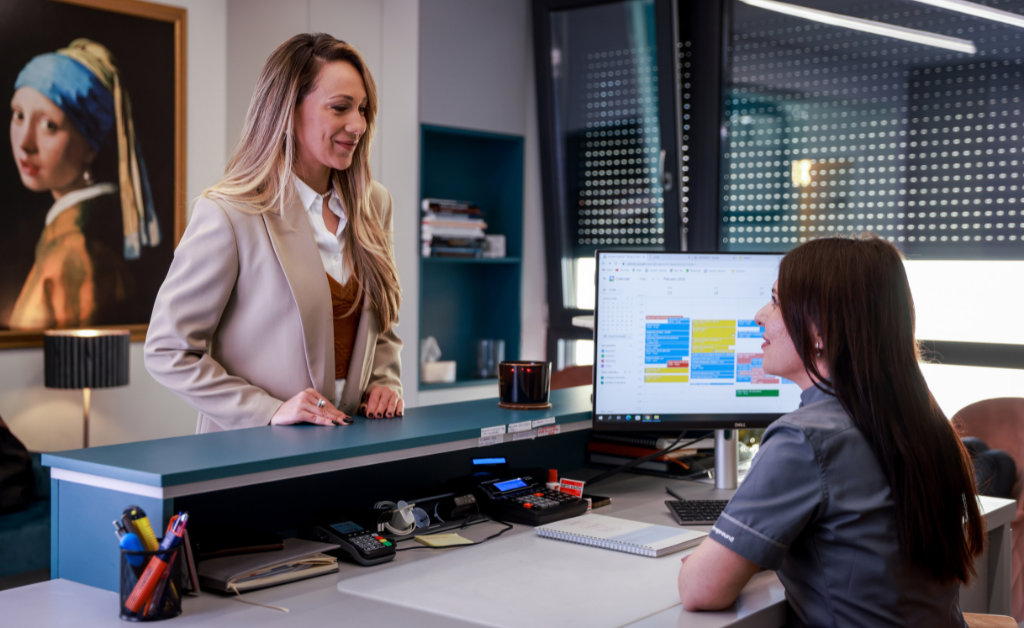
Fear of the dentist is one of the most common barriers that cause people to put off visiting the dentist, sometimes for years on end. This anxiety, which can range from mild discomfort to dentophobia (a paralyzing fear), often leads to the worsening of dental problems. Fortunately, modern dentistry has undergone a radical transformation in recent years, placing a strong emphasis on the patient’s physical and emotional comfort.
At Dr. Nicolau Dental Clinic, we understand that managing fear is just as important as the dental treatment itself. By using minimally invasive technologies, state-of-the-art anesthesia, and an empathetic approach, every stage of treatment is designed to completely eliminate pain and stress.
Why Do People Fear the Dentist?
Dental anxiety does not arise without reason; it is most often rooted in traumatic experiences from the past, during times when technology was not as advanced. Identifying the source of this fear is the first step toward overcoming it.
Fear of pain, needles, or anesthesia is a common trigger. Added to this is the unpleasant feeling of losing control in the dental chair, along with the noises and smells typical of traditional dental offices. Furthermore, many patients put off their visit because of embarrassment or fear of being judged for the condition of their teeth.
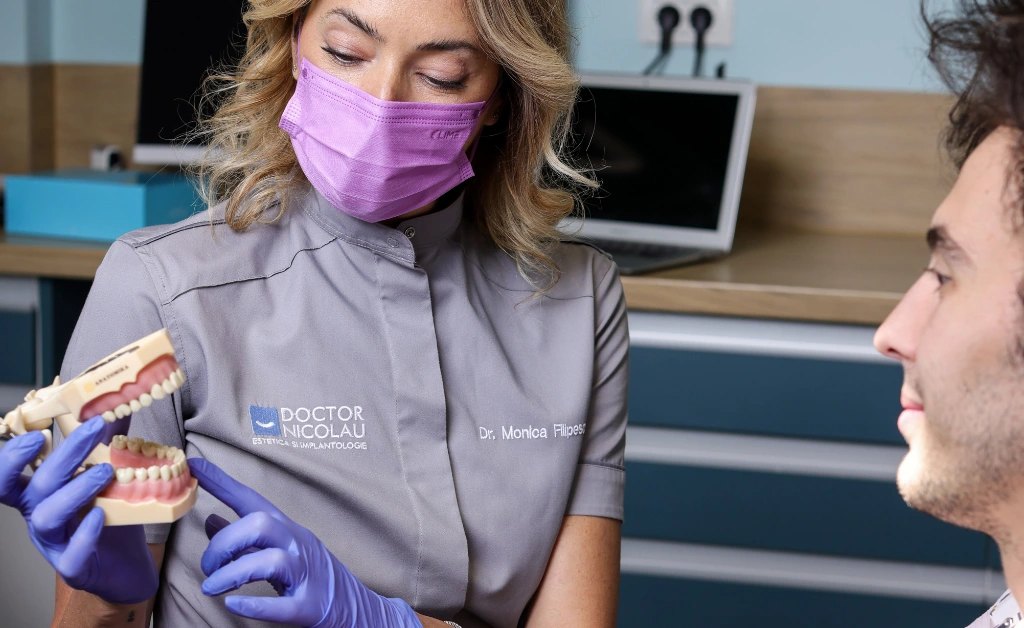
Modern technologies that eliminate pain and discomfort
Dentistry today is nothing like it used to be. Thanks to modern equipment, treatments are fast, precise, and extremely gentle on the tissues.
Among the solutions that have redefined patient comfort are:
- Atraumatic anesthesia: Modern local anesthesia techniques allow for complete and rapid desensitization of the treatment area, without any unpleasant sensation of pressure.
- Dental laser treatments: In many cases, the laser can replace the traditional drill, eliminating noise, vibrations, and the need for direct contact with the tooth. It also reduces inflammation and speeds up healing.
- Operating microscope: It allows the doctor to achieve millimeter-level precision, which means minimally invasive treatments, preservation of healthy tissue, and less time spent in the chair.
- Digital Impression Equipment (Intraoral Scanner): It removes the need for traditional impression pastes, which caused a choking feeling or a gag reflex.
How to Overcome Anxiety: Practical Tips for Patients
Overcoming a fear of the dentist is a gradual process that relies on open communication with the dental team. It’s recommended that you let your dentist know about your anxiety right from the start, so that the treatment plan can be fully tailored to your needs. An important step in reducing this discomfort is understanding each stage of the treatment: the dentist will explain in detail what they are going to do before each stage of the procedure, thereby eliminating the fear of the unknown and providing a sense of safety and control.
You can also agree on a simple signal to stop, such as raising your hand, which guarantees you a break at any time. If it’s been a long time since you’ve been to the dentist’s office, it’s best to start with a simple evaluation or a professional cleaning. For added comfort, wearing headphones during procedures can help distract you from your surroundings.
Frequently Asked Questions About Dental Anxiety
Dentophobia is an intense and irrational fear of the dentist or dental procedures, which causes the patient to avoid checkups even when experiencing severe pain.
The doctor will stop the procedure immediately at your first signal. The chair will be adjusted to a comfortable position, and the medical team will guide you through simple abdominal breathing exercises until your heart rate returns to normal and you feel ready to continue.
Let your doctor know before treatment. The use of a digital scanner instead of traditional impressions, along with frequent breaks, almost completely eliminates this discomfort.
On the day of your procedure, avoid drinking too much coffee or energy drinks, as caffeine can increase feelings of anxiety. It is recommended that you eat a light meal beforehand and arrive at the clinic just 5–10 minutes before your appointment time to avoid a long wait in the waiting room.


